We build games we believe in, with partners who value the craft.
Datrivo is a studio and collaborator for indie developers. We focus on the core loop, narrative cohesion, and player agency—rejecting the feature factory model in favor of intentional, playable experiences.

The Datrivo Ethos: Indie-First, Craft-Forward
Our philosophy isn't a marketing statement; it's a set of operational constraints that shape every project. We believe sustainable creativity comes from transparency, not ambiguity.
-
01
First-Play Principle Every game we touch is playable by our core team before a single pixel is proposed. If it's not fun in its rawest form, we don't pursue it.
-
02
Transparent Constraints We document and share technical, artistic, and budgetary limitations from day one. Honesty in constraints fosters better, more focused solutions.
-
03
Peer Critique Rituals Weekly, blameless sessions where developers review each other's work. The goal is improvement, not validation.

Studio Ledger
We maintain a living document of past projects—pivots, failures, and lessons learned—available to all partners. It's our shared memory, not a highlight reel.
Method Note: Robustness Evaluation
We evaluate project robustness by stress-testing the core loop against three failure states: hardware limits, player frustration, and narrative disconnect. A project passes only if it functions meaningfully in two of three.
Anatomy of a Datrivo Project
We don't follow a rigid pipeline. Instead, we move through focused phases, each with a clear output designed to de-risk collaboration.
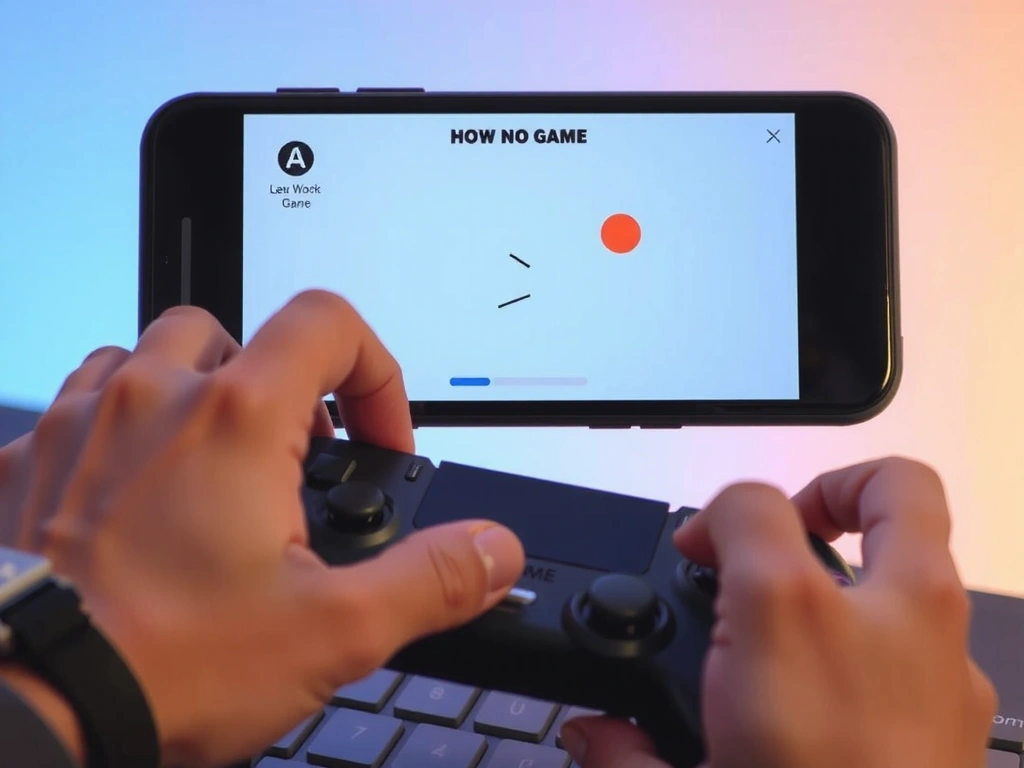
Play, Then Plan
We play your prototype extensively, documenting the fundamental player action cycle. The goal isn't critique, but to identify the friction points between input and perceived reward. We deliver a "Loop Map" that visually traces the intended flow, annotated with our observations on pacing and agency.
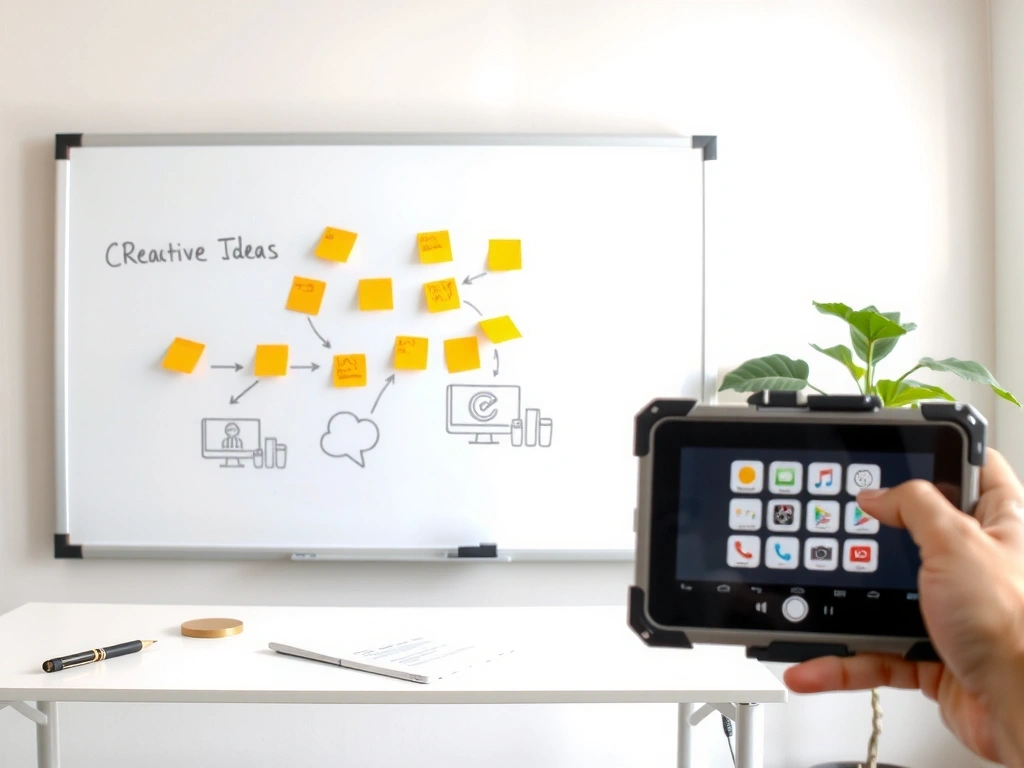
Defining the Playing Field
Before any build sprint, we collaboratively create a living document outlining hard boundaries: budget, timeline, team capacity, and engine limitations. This isn't a wishlist; it's the guardrail that keeps creative energy focused on what's possible, not what's ideal.
Pitfall: The "Scope Fever"
A common early mistake is over-planning for a hypothetical final state. We combat this by focusing every discussion on the current milestone's deliverable. Future features go on a "parking lot" list to be revisited only after core goals are met.
The Team: A Collective of Specialists
We are not a generalist shop. Our team is a curated network of specialists who step in for the duration of a project, ensuring the exact expertise needed is always present.

The Player Advocate
A dedicated role focused solely on the fresh player's perspective. They test from zero knowledge, identifying onboarding friction and emotional resonance points the rest of us miss.
The Technical Director
Maintains an open-source library for efficient Unity asset streaming. Prior experience spans AAA optimization and indie-scale performance hacking.
Our commitment to the community means our best solutions are often shared back.
Our Design Language: Clarity Over Clutter
We operate on a set of hard constraints that shape our aesthetic and interaction patterns.
The Three-Click Rule
Any core game function must be accessible within three interactions. If it's not, the system is too complex.
Diegetic Feedback
We prioritize in-world changes over HUD elements. The environment should communicate state.
70-20-10 Color Rule
70% neutral base, 20% accent for interaction, 10% for critical alerts. No room for decorative color.
Trade-off Frame: Immersion vs. Clarity
- Benefit: A fully diegetic, HUD-less interface increases immersion and narrative cohesion.
- Cost: Critical information (health, objectives) becomes harder to parse instantly, especially for new players.
- Mitigation: We implement a "glance" system—a subtle, context-aware HUD that appears only when needed (e.g., health pulses when low).
Decision Criteria
- • Does the mechanic justify the UI complexity?
- • Can we convey the same information in-world?
- • What is our player's expected skill level?
Scenario Vignette
Beat 1: A new player drops into the world. No HUD. They see a wound on the character's arm visually represented by a limp and darker clothing.
Beat 2: They find a medical kit. The interaction is contextual—pressing 'F' applies it. The limb color lightens, movement smooths.
Beat 3: The game's UI only appears in the inventory screen, which is a deliberate, slow action. The loop teaches through observation, not icons.
The Datrivo Guarantee: A Partnership, Not a Transaction
Our work doesn't end at submission. We provide clarity, documentation, and a handoff that sets you up for long-term success.
Post-Launch 'Health Check'
30 days after release, we provide a free analytics review and actionable optimization suggestions based on live player data.
'Source of Truth' Repository
You receive full, well-documented project files and a 'Why We Built It This Way' guide, empowering your team for future updates.
'First Update' Consultation
A free 2-hour session to plan the first major post-launch content update, using the same collaborative framework.

Ready to Build?
We partner with a limited number of studios each year to ensure depth of collaboration.
Initiate ContactQuestions Investors & Partners Should Ask
What's your process for handling major scope changes mid-project?
We revisit the Constraint Map. Change is evaluated against the core loop's integrity, not just timeline.
Can we see examples of pivots or failed projects?
Yes. Our Studio Ledger documents lessons from projects that didn't meet launch criteria.
How do you ensure our creative voice isn't diluted?
The Player Advocate role is designed to protect the initial vision by focusing on the player's emotional journey.
What's the exit criteria for project completion?
A 'Publisher Handoff Package' that includes a build, a 'Player Experience Guide', and the complete Constraint Map.
Based on 50+ projects across PC, mobile, and console platforms.
Schedule a Discovery Call